

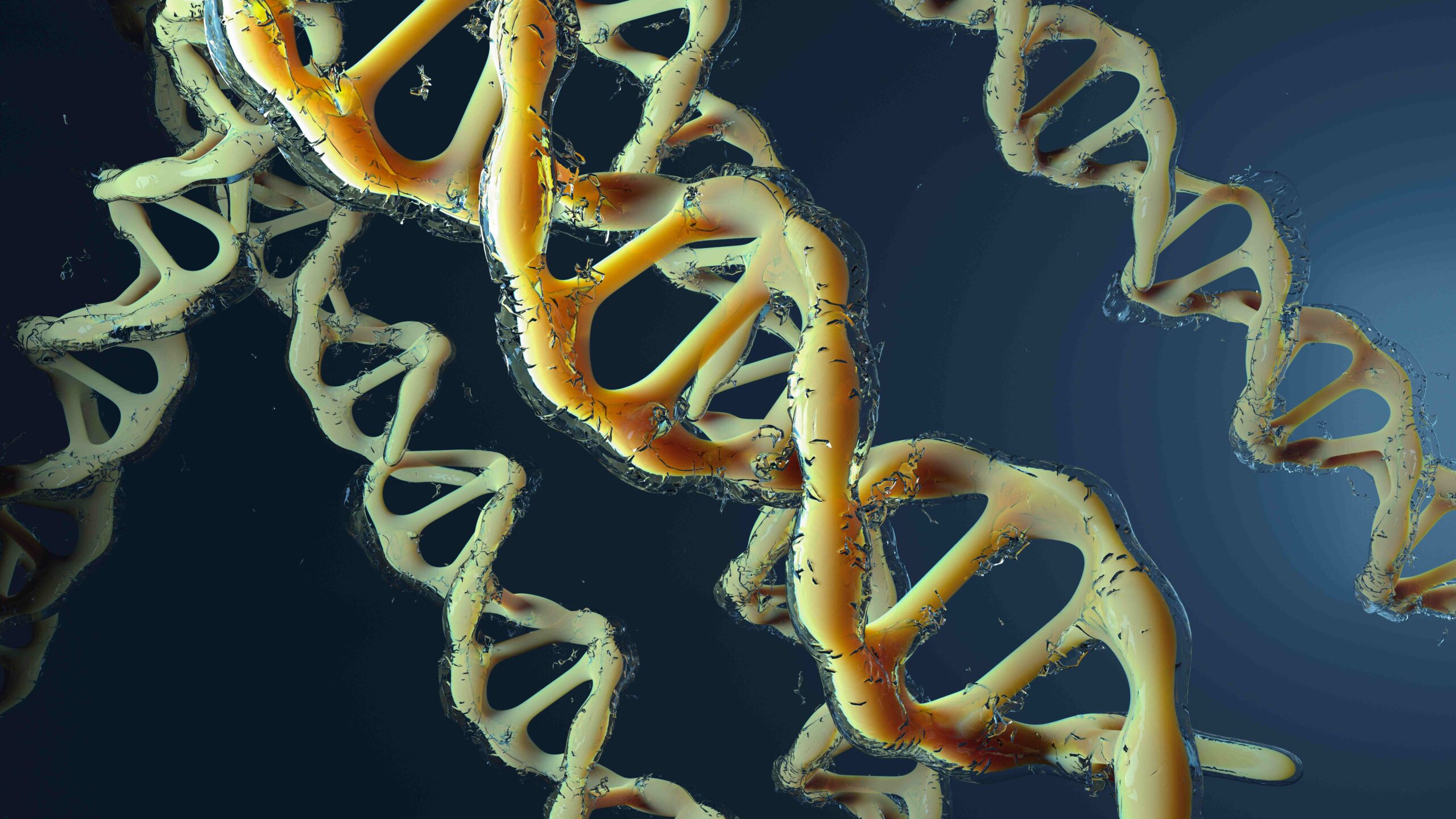
Each of us carries the history of our ancestors in our genes. Our character traits, eye color, or predisposition to certain diseases are linked to what we have inherited from our parents. To understand how this inheritance is formed, it is important to understand the mechanisms of genetics and reproduction.
Transmission of Traits
Heredity is the process of passing biological characteristics from one generation to another. We receive one set of genes from each parent. When both sets are the same, a person is considered homozygous for that gene, and when they are different, they are considered heterozygous.
Genes exist in different forms called alleles. These variants can behave differently: they can be dominant or recessive. The dominant allele “covers” the expression of the recessive allele, but if there is no dominant variant, the recessive variant is expressed. Gene activity is influenced by their combinations and the external environment. Pollution, nutrition, or stress can alter the strength of trait expression without changing the DNA. This level of regulation is called epigenetics.
Script and Performance
To describe heredity, scientists use two concepts:
- Genotype: the complete set of genes in an organism, a kind of script written in DNA letters.
- Phenotype: the observable characteristics: eye color, height, flower shape, or behavior.
Here’s a simple example: if a plant has purple flowers, that’s its phenotype. But behind that is its genotype, which could be a dominant pair of alleles (VV) or a mix of dominant and recessive alleles (Vv).
Mendel’s Experiments and Laws of Inheritance
The foundations of modern genetics were laid by Gregor Mendel, a 19th-century monk who studied peas.
His experiments led to the formulation of three famous laws:
- Law of segregation: alleles are separated during the formation of sex cells.
- Law of dominance: the dominant allele suppresses the recessive allele.
- Law of Independent Assortment: different traits are inherited independently of each other.
These discoveries were revolutionary. However, modern genetics knows that everything is much more complicated. A single trait can depend on many genes (polygenic inheritance), and alleles can work together, a striking example of which is codominance.
Sexual Reproduction
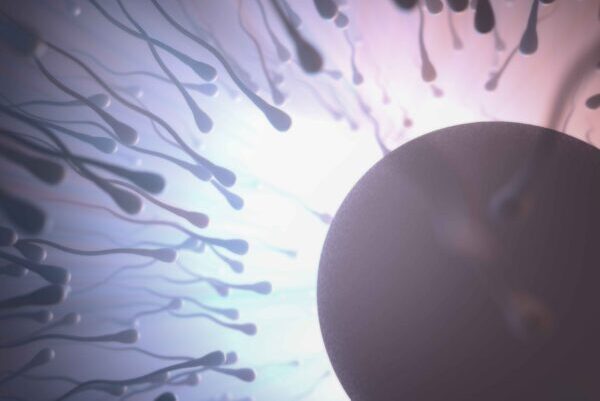
 Life on Earth is so diverse thanks to sexual reproduction. It is based on the fusion of two specialized cells called gametes. In animals, these are egg cells and sperm cells, and in plants, they are pollen and ovules.
Each gamete carries only half of the genetic information. During fertilization, they unite to form a zygote, which receives a complete set of chromosomes and becomes the starting point for a new organism.
Workshop of Heredity
Gametes are formed as a result of a unique process called meiosis. Unlike normal cell division (mitosis), meiosis reduces the number of chromosomes by half and creates genetic diversity.
The process involves two stages:
- Meiosis I: Chromosomes double and exchange fragments during recombination. This creates new combinations of genes. The cell then divides into two, each with one set of chromosomes.
- Meiosis II: Each of the resulting nuclei divides again, forming four unique gametes.
In this way, one germ cell produces four gametes, each of which is unique. The combination of alleles in sexual reproduction gives offspring individual characteristics. Even children of the same parents turn out to be different, because each new zygote receives a unique set.
The Code of Life
Heredity and reproduction are fundamental mechanisms that determine the existence of life. From alleles and genotypes to the complex stages of meiosis, everything works like a finely tuned mechanism.
Studying these processes not only explains why we resemble our parents and how we differ from one another but also paves the way for modern biotechnology and medicine. Genetics remains one of the most dynamic sciences of the 21st century, and its discoveries directly influence our future.